

People do not stumble into Asheville by accident. Especially not retirees.
The people I meet who are seriously considering retiring in Asheville, NC have usually done a quiet kind of research over months or even years. They visited once and something stayed with them. A morning on a trail. A dinner downtown that surprised them. The quality of light in the afternoon. They went home and kept thinking about it.
So if you are asking whether retiring in Asheville, NC is the right move for you, chances are you already sense that it might be. What you are really asking is whether it holds up under closer examination.
The honest answer is that for the right person, it holds up remarkably well. But “the right person” is a meaningful qualifier, and it is worth understanding what that actually means. Here are six things worth knowing before you decide.
1. What Makes Asheville Different for Retirees

Retiring in Asheville does not look like retirement in Florida or Arizona. There are no planned 55-plus communities spread across flat terrain. There are no golf cart lanes and chain restaurants on every corner. What Asheville offers instead is something harder to manufacture: genuine character.
The Blue Ridge Mountains surround the city in every direction. The air is cooler than most of the South. The pace, while not sleepy, is meaningfully calmer than the cities most retirees are leaving behind. There is a food and arts scene here that people in much larger cities would envy. And there is a sense of community that takes hold quietly, in ways you notice months after you arrive.
Asheville has long attracted people who value creativity, independence, and quality of life over convenience and conformity. That culture does not disappear when you retire here. It becomes part of your daily experience.
2. The Lifestyle Case
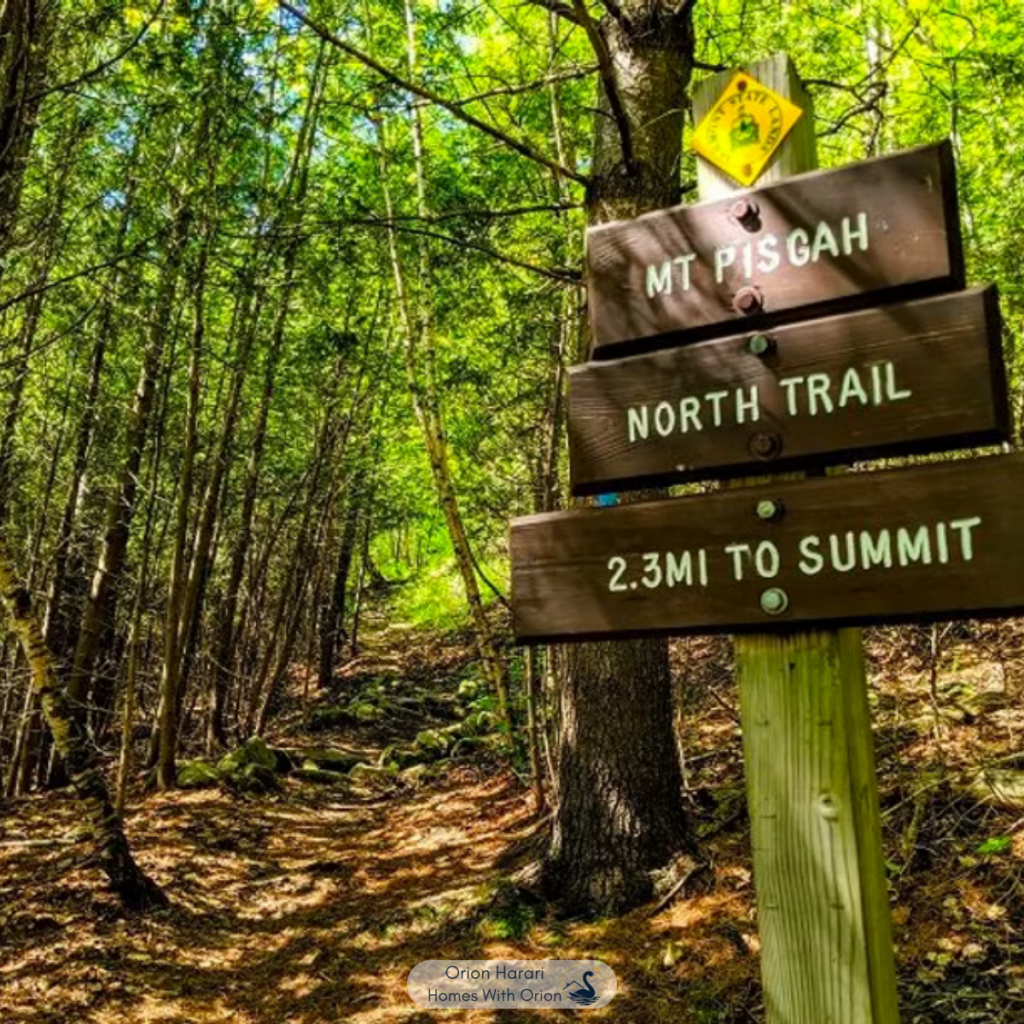
For retirees seeking an active, engaged retirement, retiring in Asheville, NC offers more than most comparable-sized cities.
Outdoor access is exceptional. The Blue Ridge Parkway runs through the area, and hiking trails, waterfalls, and natural spaces are within easy reach of nearly every neighborhood. Many retirees I work with are not looking to slow down. They are looking to redirect their energy toward the things they love: hiking, cycling, kayaking, gardening, travel. Asheville supports all of that.
The arts and culture scene is genuine and diverse. The River Arts District houses working artists and galleries. The music venues draw nationally recognized acts. The food scene has earned national recognition, with a concentration of independent restaurants that is remarkable for a city of this size. Retirement here is rarely quiet in the way people fear retirement might be.
And then there is the climate. Asheville sits at roughly 2,100 feet of elevation, which means summers are mild compared to the rest of the South. Average July temperatures hover in the low eighties. If you have spent years dreading summer heat, Asheville often comes as a genuine relief.
3. The Cost Picture for Retirees
I covered the full cost of living breakdown in an earlier post, but for those retiring in Asheville, NC it is worth touching on the pieces that matter most specifically.
Housing is the largest variable. The median home price in Asheville is around $500,000 to $515,000 as of 2026. If you are selling a home in a higher-cost market, that number may feel very manageable. If you are downsizing from a paid-off home in a lower-cost area, it deserves careful planning.
The surrounding towns offer meaningful relief. Weaverville, Black Mountain, and Waynesville consistently offer lower price points while still providing access to everything the broader region offers. Many of the retirees I work with find that they get more of what they want when they stop focusing exclusively on Asheville proper.
North Carolina’s tax structure is genuinely favorable for retirees. The flat state income tax rate of approximately 4.5% is lower than most of the states people are relocating from. Social Security income is not taxed at the state level. And property taxes in Buncombe County are moderate, with an effective rate of approximately 0.63% of assessed value.
Utilities run below the national average, largely because of the mild summer climate. Most retirees find their monthly overhead lower than expected once they settle in.
4. Healthcare Access

This is the question I am asked most often by people considering retiring in Asheville, NC, and it deserves a direct answer.
Mission Hospital is the primary hospital system serving the Asheville area. It offers a range of services including cardiac care, orthopedics, and cancer treatment. For a city of Asheville’s size, the healthcare infrastructure is reasonably strong.
That said, for people with complex or specialized medical needs, Asheville has limitations. Certain subspecialties require travel to Charlotte or Atlanta. If you have a condition that requires frequent specialist visits, it is worth researching whether the specific care you need is available locally before making a decision.
For most retirees in generally good health, Asheville’s healthcare access is adequate and often more than sufficient. The people I have worked with who struggle most with this question tend to be those with specific, ongoing medical needs rather than the general health maintenance concerns most retirees navigate.
Medicare is accepted widely throughout the region, and there are strong primary care options across the area.
5. What to Think Carefully About

Retiring in Asheville, NC is not the right fit for everyone, and I would rather you know that clearly.
The terrain is real. Western North Carolina is mountainous, and that affects daily life in ways that matter over time. Driving on mountain roads in winter requires comfort with that kind of environment. If mobility is already a consideration, or may become one, it is worth thinking about how the physical landscape fits your long-term picture.
Tourism is also part of life here. Asheville is one of the most visited cities in the Southeast, which means summer and fall bring significant visitor traffic. Downtown can feel busy. Parking can be challenging. For many retirees, this is a minor inconvenience or even something they enjoy. For others, it is worth factoring in seriously.
Home inventory can be competitive. Well-priced, well-maintained homes in desirable areas move quickly. Buyers who approach the market without preparation sometimes find themselves frustrated. Working with someone who knows the area well makes a meaningful difference.
6. Frequently Asked Questions About Retiring in Asheville, NC
Is Asheville NC a good place to retire?
For the right person, genuinely yes. Asheville offers exceptional outdoor access, a rich food and arts culture, a mild mountain climate, and a favorable tax environment. The considerations that matter most are housing costs, healthcare access for your specific needs, and comfort with the mountain terrain and lifestyle.
Is Asheville NC affordable for retirees?
Asheville is above the national average in housing costs, but North Carolina’s tax structure is favorable for retirees. Social Security is not taxed at the state level, the flat income tax rate is approximately 4.5%, and property taxes are moderate. Many retirees relocating from higher-cost states find the overall financial picture quite positive.
What is the best area in Asheville for retirees?
The answer depends entirely on how you want your daily life to feel. I put together a full neighborhood guide – covering every major area and surrounding town – that walks through exactly this question. You can read it here: Where to Live in Asheville, NC: 7 Neighborhoods Worth Knowing Before You Move.
Is healthcare good in Asheville NC for retirees?
Mission Hospital provides solid general healthcare for the region. For most retirees, the available care is adequate and well-supported by Medicare. People with complex or specialized medical needs should research specific subspecialty availability before committing, as some services require travel to Charlotte or Atlanta.
Does North Carolina tax retirement income?
North Carolina does not tax Social Security income. The state has a flat income tax rate of approximately 4.5%, which applies to other retirement income including pensions and retirement account withdrawals. For people coming from high-tax states, this is often a meaningful financial benefit.
What is the weather like in Asheville for retirees?
Asheville’s elevation of approximately 2,100 feet gives it a milder summer climate than most of the South. Average July highs are in the low eighties. Winters are cool but generally moderate, with occasional snow. The spring and fall seasons are exceptional. Many retirees find the climate one of the most compelling aspects of living here.
The Question Worth Sitting With
The most useful thing I can tell you is not a statistic. It is this: the retirees who are happiest in Western North Carolina are the ones who moved here because it fit who they are, not because it checked boxes on a list.
If you are drawn to nature, to an engaged and creative community, to a slower pace that still has depth and texture, Asheville and the surrounding region tends to hold you well. If you are looking primarily for planned convenience, a flat landscape, or a large network of retiree-specific infrastructure, there are places better suited to that vision.
The clarity comes from spending time here with intention. Not a weekend trip, but real time. Walk a neighborhood in the morning. Have dinner somewhere you would actually go back to. Drive out toward Waynesville or Black Mountain on a Tuesday afternoon and notice how it feels.
If you are thinking seriously about retiring in Western North Carolina and want a conversation about what the process actually looks like, I am happy to have that. No pressure, no pitch. Just a real conversation about whether this place might be right for you.
Orion Harari
Homes With Orion
Thoughtful relocation guidance for Western North Carolina