

One of the first questions people ask when seriously considering a move to Western North Carolina is a simple one: where to live in Asheville NC. It is not about neighborhoods in the abstract. It is about how you want your daily life to feel.
Where in Asheville should I actually live?
It is a fair question, and also a more layered one than most relocation guides acknowledge. Because the honest answer is that Asheville is not one place. It is a collection of distinct areas, each with its own rhythm, its own feel, and its own personality. The neighborhood that is right for you depends less on price points and square footage, and more on how you want your daily life to feel.
I moved here without knowing anyone, and learning the different parts of this region took time. What I noticed is that people who fall most naturally into Asheville are often the ones who find the specific corner of it that resonates with them personally. So before I walk you through the areas, I want to ask a few questions worth sitting with.
Do you want to walk to coffee and restaurants, or would you rather have space and quiet? Are you drawn to mountain views and privacy, or do you want to feel connected to a neighborhood community? Are you retiring here, or working remotely and needing reliable infrastructure? Do you want a smaller-town feel within reach of the city, or do you want to be close to everything Asheville offers?
Your answers will matter more than any general ranking of neighborhoods.
The Areas Worth Knowing Before You Decide
Downtown Asheville and the Urban Core
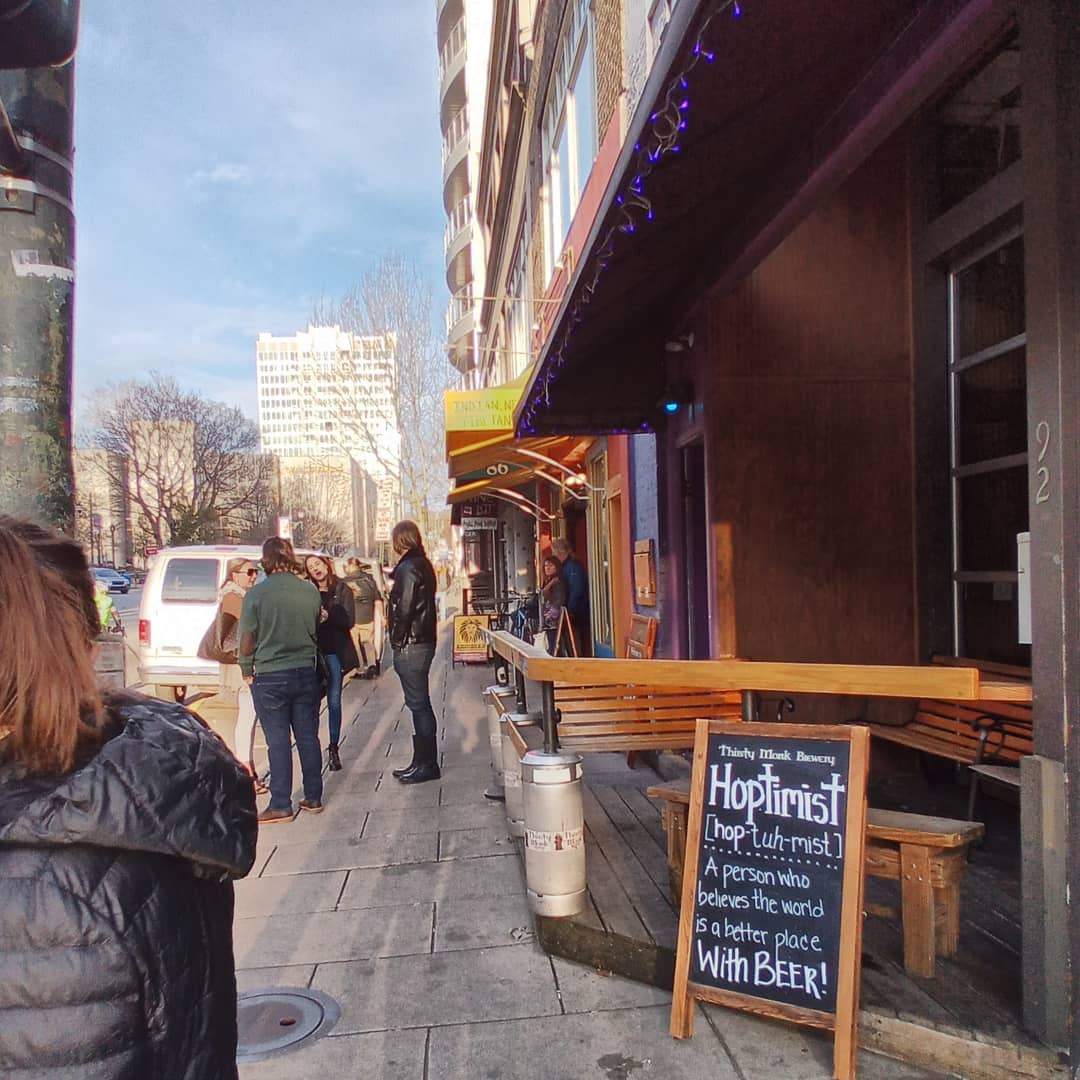
If you want to be in the middle of things, the urban core of Asheville is vibrant, walkable, and full of life. The River Arts District, West Asheville, and the areas closest to downtown give you easy access to some of the best restaurants, independent shops, and creative culture in the Southeast.
This area tends to attract people who want an active, social lifestyle. It also comes with higher price points, smaller lots, and the kind of energy that some people love and others find tiring over time.
It is worth visiting on a Tuesday afternoon and a Saturday evening before making any decisions. Both versions of this city exist, and they feel quite different.
South Asheville
South Asheville is where much of the city’s growth has concentrated over the past decade. You will find newer construction, larger chain retailers, easier highway access, and a more suburban feel that surprises people who imagined Asheville as purely artsy and tucked away.
This area is popular with families, people relocating for work, and buyers who want more house for their budget without leaving the Asheville area. The tradeoff is that it can feel more generic than other parts of Western North Carolina. That said, it is convenient, well-served by infrastructure, and easy to navigate when you first arrive.
If you are coming from a larger city and want a softer transition, South Asheville often provides that.
West Asheville
West Asheville has become one of the most sought-after areas in the city, and for good reason. It has an authentic neighborhood character, with locally owned businesses, tree-lined streets, and a community feel that is harder to find in newer developments.
It tends to attract people who care about walkability, independent culture, and a slower, more intentional way of living. Home prices here have risen considerably, and inventory moves quickly. But for people who want to feel genuinely connected to a neighborhood, West Asheville often becomes the answer.
North Asheville and Weaverville
North Asheville has long been known for its established neighborhoods, beautiful older homes, and proximity to the University of North Carolina Asheville. It has a quieter, more rooted character than some other parts of the city. Many of the homes here were built with craftsmanship and care, and the mature tree canopy gives the area a settled, peaceful quality.
Just beyond, Weaverville offers a small-town atmosphere with mountain views, a genuine community feel, and a bit more distance from the city’s pace. It has become increasingly popular with people relocating from larger metros who want to be near Asheville without being in it.
East Asheville
East Asheville is sometimes overlooked, but it is worth knowing. It offers more affordable entry points than some other neighborhoods, proximity to the Blue Ridge Parkway, and a quieter residential character. If outdoor access is a priority, this area puts you close to trails and natural spaces in a way that is hard to beat.
The Surrounding Towns: A Different Kind of Western North Carolina Life

One of the things I encourage every relocation buyer to consider is that Asheville proper is not the only option. Western North Carolina is a region, and some of the most beautiful and livable places here are just outside city limits.
Black Mountain
Black Mountain sits about 15 miles east of downtown Asheville and has a small-town walkable core that feels genuinely charming. It draws artists, retirees, and people seeking a slower pace. The downtown is real, not manufactured, and the surrounding mountains are stunning. For people who want peace without isolation, Black Mountain deserves serious consideration.
Waynesville
Waynesville is about 30 miles west of Asheville in Haywood County, and it is one of the most underrated towns in Western North Carolina. It has a thriving Main Street, a strong local arts scene, and a mountain character that feels very different from the Asheville experience. Real estate here tends to be more accessible, and the quality of life is high.
I work extensively in Haywood County and find that many buyers who initially focus only on Asheville are genuinely surprised by what Waynesville offers once they spend a day there.
Leicester
Leicester is a rural community northwest of Asheville that appeals to people looking for land, privacy, and a more off-the-grid lifestyle while still being within reasonable reach of the city. If you want acreage, mountain views, and the ability to build or plant roots on a larger piece of property, Leicester is worth exploring.
Frequently Asked Questions About Where to Live in Asheville, NC
What is the best neighborhood in Asheville for retirees?
It depends on what kind of retirement you are envisioning. If you want walkability and social activity, West Asheville or North Asheville may suit you well. If you want quiet, privacy, and natural beauty, the surrounding towns like Black Mountain or Weaverville are often a better fit. Many of the most satisfied retirees I have worked with found their rhythm outside the city itself.
Is South Asheville a good place to live?
South Asheville is a practical and well-developed area with strong infrastructure, newer homes, and easy access to shopping and services. It is a good fit for people transitioning from larger suburban environments. It does not have the same character as older Asheville neighborhoods, but it is comfortable, convenient, and family-friendly.
What are the best suburbs of Asheville, NC?
Black Mountain, Weaverville, and Waynesville are consistently among the most livable communities near Asheville. Each has its own distinct identity. Weaverville offers small-town proximity to Asheville. Black Mountain offers mountain charm and a walkable downtown. Waynesville offers the full Western North Carolina character at a more accessible price point.
Is Asheville, NC a good place to relocate?
For anyone genuinely asking where to live in Asheville NC, the first step is understanding which part of this region fits your lifestyle. For the right person, it genuinely is. Asheville offers a rare combination of natural beauty, cultural depth, culinary quality, and community warmth that is difficult to find elsewhere. The key is understanding which part of the region fits your lifestyle before committing. People who do that research tend to settle in deeply. Those who move without that clarity sometimes find themselves adjusting for longer than expected.
How far is Waynesville from Asheville?
Waynesville is approximately 30 miles west of Asheville, which translates to roughly 35 to 40 minutes of driving depending on traffic. Many people who live in Waynesville work or spend time in Asheville regularly and find the distance very manageable.
How to Figure Out Where You Actually Belong
The most useful thing I can offer is this: spend time in each area before deciding. Not just a weekend trip where you visit the downtown and a few restaurants. Spend a morning walking a neighborhood you are considering. Have coffee at a local spot. Drive the roads you would drive every day. Notice how the pace feels, whether the environment makes you exhale or keeps you slightly on edge.
Relocating to Western North Carolina is an emotional decision as much as a practical one. The house matters, of course. But the area you choose shapes your daily experience, your sense of belonging, and ultimately how much you love being here.
If you are thinking about where to live in Asheville NC or anywhere in the surrounding region and want a straightforward conversation about which area might actually fit your life, I am happy to help.
Orion Harari
Homes With Orion
Thoughtful relocation guidance for Western North Carolina