

Moving to Asheville was not just a relocation for me. It was also my first experience of living in America.
I arrived without knowing anyone, only three months before the world suddenly shut down during COVID. Like many people starting over somewhere new, I imagined those first months would be filled with exploring, meeting people, learning the rhythms of the city, and slowly building a sense of belonging.
Instead, almost as soon as I arrived, I was told to stay home.
At the time, I had just begun studying for my real estate license. I was eager to understand not only Asheville itself, but also American culture, community, and daily life. The timing could not have been more contradictory. I had moved across the world hoping to connect with people, only to enter a season of isolation and uncertainty.
And yet, even during that strange and difficult period, something about Asheville surprised me.
People were warm.
Even complete strangers smiled at you. Conversations felt open and welcoming in a way I had not expected. There was a kindness here that made the unfamiliar feel a little less intimidating. Little by little, despite the isolation of that time, I began finding ways to connect, adapt, and slowly create a sense of home.
The Emotional Side of Moving Nobody Talks About
What many people do not realize about relocating is that even positive change can feel emotionally disorienting.
There is excitement, of course. The possibility of a different pace of life, a new environment, new opportunities. But alongside that excitement, there is often uncertainty too.
Suddenly, even ordinary routines feel unfamiliar.
You do not yet know the roads instinctively. You are learning where to shop, where to walk, where to get your morning coffee. The smallest things, things you never had to think about before, suddenly require energy and attention again.
And when you move without already having an established community around you, the adjustment can feel even deeper.
I think many people underestimate how emotionally exhausting relocation can be, especially later in life. Starting over is not only logistical. It is personal. It asks you to rebuild rhythms, routines, and a sense of familiarity from the ground up.
That takes time.
Finding My Rhythm in Asheville

Finding my rhythm in Asheville took longer than I originally expected.
Because I arrived only a few months before COVID, the experience of getting to know both Asheville and America happened during a very unusual and isolating time. Like everyone else, I suddenly found myself navigating masks, distancing, uncertainty, and long stretches of isolation just as I was trying to begin a completely new chapter of life.
It was a strange contradiction.
I had arrived eager to meet people, explore, build connections, and immerse myself in the experience of living in a new country. Instead, much of the world temporarily closed itself off.
And yet, even during that period, there was still warmth here.
People smiled with their eyes. Small conversations still happened from a distance. There was a friendliness beneath the caution, a sense that people genuinely cared for one another even while everyone was trying to navigate uncertainty in their own way.
Over time, as life slowly began reopening again, I started discovering Asheville little by little. Driving through different areas, spending time in local coffee shops, exploring the surrounding mountains, and simply allowing myself to adjust gradually helped me begin feeling more connected to the place around me.
It did not happen overnight.
But eventually Asheville stopped feeling temporary, and began feeling like home.
What Helped Me Feel More at Home
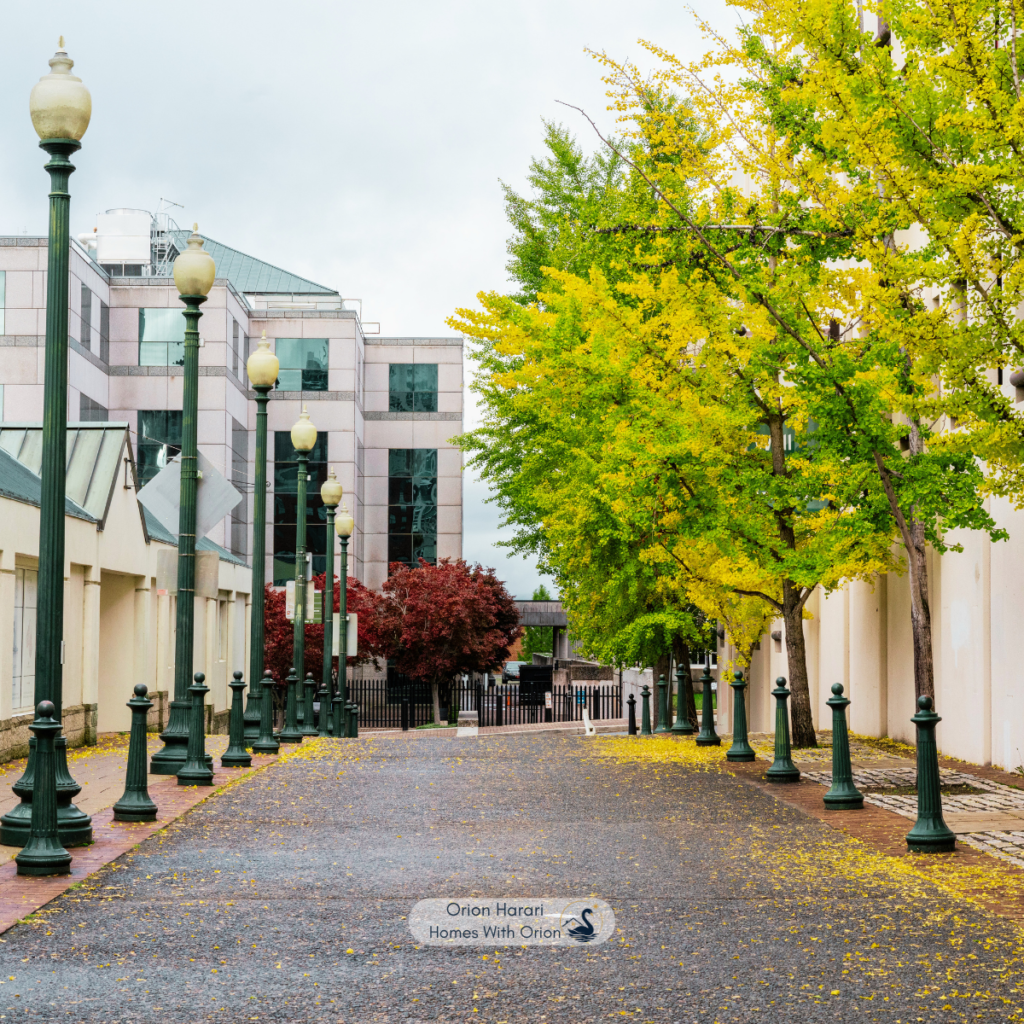
What eventually helped me feel more connected to Asheville were not the big moments, but the specific places that slowly became familiar to me.
There were little corners of the city that began creating emotional attachment over time. A quiet street downtown that strangely reminded me of Europe. Certain restaurants I found myself returning to again and again. Particular areas of South Asheville that simply felt comfortable and welcoming to me personally.
Those places became small anchors.
I think that is something many people overlook when they relocate. Feeling at home often begins with discovering the places that resonate with you individually, not necessarily the places everyone else recommends.
Over time, Asheville stopped feeling like a place I had moved to, and started feeling like a place where parts of my daily life naturally belonged.
And I learned not to pressure myself to feel fully settled immediately. Belonging develops more quietly than that. It grows gradually through familiarity, repetition, and emotional connection to the life you slowly begin building around you.
What I Wish More People Knew Before Moving to Asheville
One thing I wish more people understood before moving to Asheville is that Western North Carolina is not one single experience.
Different areas have completely different rhythms and personalities. Downtown Asheville feels very different from South Asheville. Weaverville feels different from Hendersonville. And mountain living itself comes with adjustments that many people do not fully realize until they are here full time.
For some people, that slower pace feels deeply refreshing. For others, it can initially feel unfamiliar, especially if they are arriving from larger cities or more densely populated areas.
I also think many people underestimate how important emotional readiness is during a relocation. Finding the right house matters, of course, but feeling connected to your surroundings, your routines, and your daily life matters just as much in the long run.
That is why I often encourage people to spend time exploring different parts of Western North Carolina slowly before making major decisions. Sometimes the place that looks best on paper is not necessarily the place that feels most aligned once you experience it in person.
Relocating successfully is rarely just about logistics.
It is also about finding the environment where your life naturally begins to fit.
Starting Over Does Not Mean Starting From Nothing

Before making a major move, it helps to take inventory of what you already know about yourself.
What kind of pace supports you?
How much quiet do you enjoy?
How close do you want to be to restaurants, shops, healthcare, or cultural life?
Do you feel nourished by privacy, or do you need easy access to people and activity?
These questions matter because you are not arriving empty-handed.
You arrive with life experience, perspective, resilience, and a deeper understanding of what truly matters to you. In many ways, that self-awareness becomes one of the greatest advantages during a transition like this.
That is why I believe relocating thoughtfully is not only about studying houses or neighborhoods. It is about paying attention to how you want your everyday life to feel.
I think this is why so many people eventually find Asheville meaningful in a deeper way than they first expected.
Not because life suddenly becomes perfect here, but because this area often gives people space to reconnect with the kind of life they genuinely want to build moving forward.
Final Thoughts
Moving to Asheville without knowing anyone can feel exciting, unsettling, hopeful, and overwhelming all at once.
In many ways, relocation is not only about finding a new home. It is about slowly building a new sense of familiarity, connection, and daily life around you.
That process takes time.
And while every experience is different, I think many people underestimate how much patience and self-compassion matter during a transition like this.
Looking back now, I am grateful I allowed myself to adjust gradually instead of expecting instant belonging. Over time, Asheville became more than a place I moved to. It became a place where life slowly unfolded in meaningful ways.
If you are considering moving to Asheville or Western North Carolina and simply want a thoughtful conversation about the area, the different communities, or what the transition can realistically feel like, I would be happy to help.
Orion Harari
Homes With Orion
Thoughtful relocation guidance for Western North Carolina