

One of the most common questions I hear from people seriously considering a move to Western North Carolina is some version of this: “Is Asheville actually affordable?”
It is a fair question, and an important one to answer honestly before you start planning a move. The cost of living in Asheville NC has changed significantly over the past decade, and what you find here today is different from what many people expect based on older information or a single weekend visit.
The short answer is that Asheville is not cheap. It is also not as expensive as the coastal cities many relocation buyers are leaving behind. Where it lands for you depends entirely on your income, your lifestyle, and what you are comparing it to.
Let me walk you through the real numbers.
Housing: The Biggest Factor
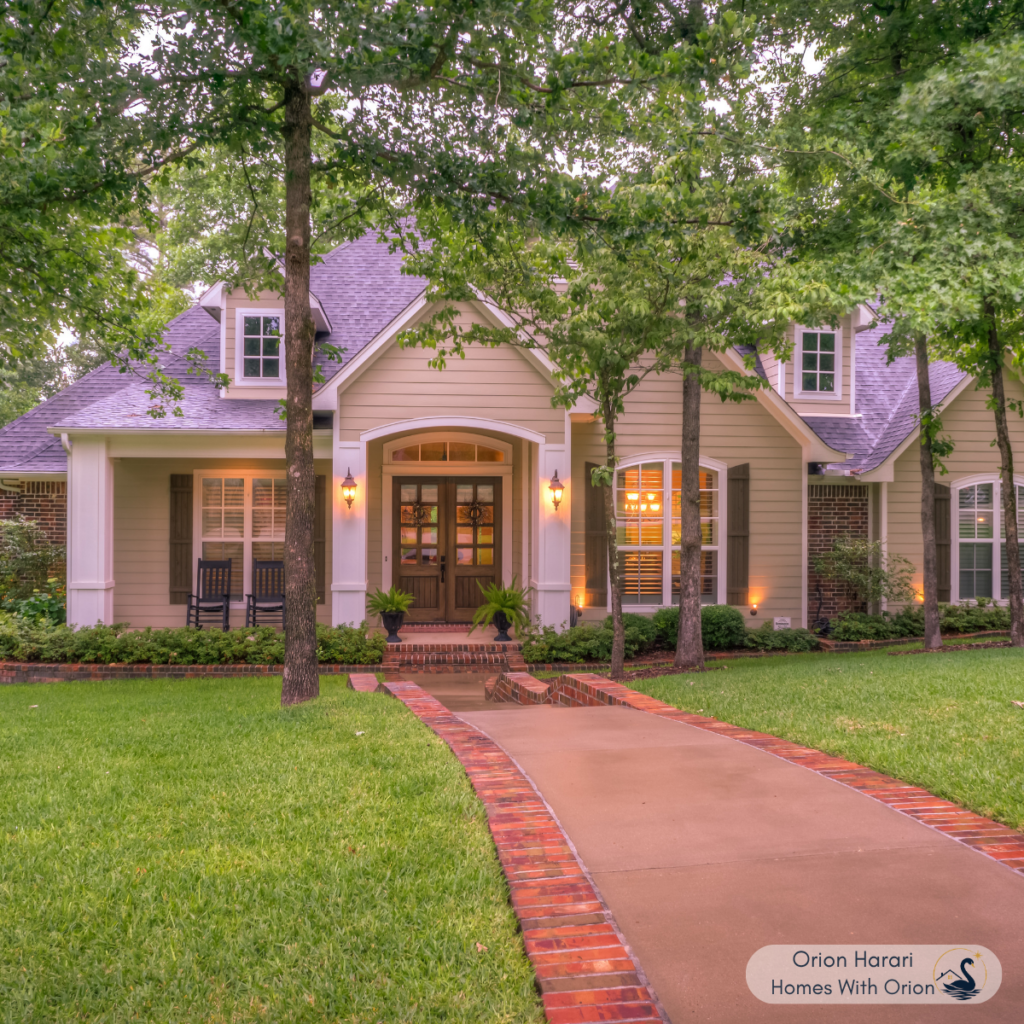
Housing is where Asheville’s cost of living is most felt, and where the biggest adjustments happen for people relocating here.
As of 2026, the median home price in Asheville is approximately $500,000 to $515,000, depending on the source and the specific area. That figure has softened slightly from its peak, with some data showing a modest decline of 3% compared to the prior year. Still, it represents a meaningful step up from many inland or rural markets, and it can surprise buyers coming from parts of the Midwest or Southeast where similar homes cost considerably less.
The surrounding towns offer more accessible price points. Waynesville, Black Mountain, and Weaverville tend to run lower than Asheville proper, which is part of why I encourage many relocation buyers to explore the broader region rather than focusing exclusively on the city.
For renters, the average one-bedroom apartment in Asheville runs around $1,400 per month, with two-bedrooms averaging closer to $1,695. Studio apartments start around $1,395. Rental prices have actually softened slightly from prior years, down roughly 3% from 2025, which is worth knowing if you are planning to rent first before buying.
Asheville housing overall is estimated to run about 13% above the national average. That is a real premium, but it is also a far cry from markets like Denver, Austin, or the Mid-Atlantic cities where many of our relocation buyers are coming from.
Utilities

This is one area where Asheville actually works in your favor.
Utilities in Asheville run approximately 5% below the national average. A typical monthly bill covering electricity, gas, water, and trash falls somewhere between $180 and $300 depending on the size of your home and the season. Internet service runs $60 to $110 per month depending on your provider and speed tier.
The mountain climate plays a role here. Summers are genuinely mild compared to the rest of the South, which means air conditioning costs are meaningfully lower than what most people are used to. Winters require heating, but the moderate elevation keeps things manageable for most of the year.
Groceries and Everyday Expenses

Groceries in Asheville track very close to the national average, with only minor variation. A family of four typically spends between $1,000 and $1,200 per month on groceries. A single adult can expect to spend $350 to $500 per month depending on habits and diet.
Asheville has a strong local food culture, with farmers markets, co-ops, and independent grocers alongside the usual national chains. If you shop locally and seasonally, you can often do quite well. If you rely heavily on specialty items or organic brands, costs will trend higher.
Dining out in Asheville is genuinely excellent, and it comes at a price point that reflects the quality. A casual dinner for two at a mid-range restaurant typically runs $50 to $80. The restaurant scene here is one of the most celebrated in the Southeast, and many people find it a meaningful part of what makes life here feel rich, even if it costs more than a chain dinner in a suburban market.
Healthcare
Healthcare costs in Asheville run approximately 6 to 15% above the national average, depending on the type of care and the data source. Mission Hospital is the primary hospital system serving the region, and Asheville has a reasonably strong network of specialists and primary care providers for a city its size.
For retirees considering Asheville, healthcare access and cost is often one of the primary planning considerations. The overall picture is adequate, though people with significant or specialized medical needs sometimes find themselves traveling to Charlotte or Atlanta for certain procedures. This is worth factoring into your decision if healthcare proximity is a priority.
Taxes
North Carolina operates on a flat income tax rate, which in 2026 sits at approximately 4.5%. This is notably lower than many of the states people are relocating from, particularly those coming from the Northeast or California, where state income tax rates can be significantly higher.
Property taxes in Asheville are moderate. The effective property tax rate in Buncombe County is approximately 0.63% of assessed value, with the median annual property tax bill running around $2,800. Combined state and local sales tax averages around 7%.
For people relocating from high-tax states, the North Carolina tax structure is often a genuine financial benefit that partially offsets the higher housing costs.
How Asheville Compares
Asheville’s cost of living sits about 6% above the North Carolina state average and roughly 7% above the national average overall. Housing drives most of that gap.
If you are coming from a major coastal metro, the comparison often looks favorable. If you are coming from a lower cost-of-living area in the South or Midwest, Asheville may feel more expensive than expected, particularly for housing.
The most honest framing I can offer is this: Asheville is not a bargain destination, but it is not an exclusive one either. Many people who move here find that what they are paying for, the quality of life, the natural environment, the food and arts culture, the sense of community, justifies the cost in ways that are hard to quantify but easy to feel once you are here.
Frequently Asked Questions About the Cost of Living in Asheville, NC
Is Asheville NC affordable to live in? Asheville is above average in cost, particularly for housing, but it is meaningfully less expensive than major coastal cities. Whether it is affordable depends on your income and what you are comparing it to. Many buyers relocating from the Northeast, California, or Florida find the overall picture quite favorable.
What is the average home price in Asheville NC? As of 2026, the median home price in Asheville is approximately $500,000 to $515,000. The surrounding towns of Waynesville, Black Mountain, and Weaverville offer lower entry points for buyers who want to be in the region without paying the Asheville city premium.
Is Asheville NC affordable for retirees? It can be a strong fit for retirees, particularly those coming from higher-cost states. North Carolina’s flat income tax rate and moderate property taxes are genuine advantages. The key variables for retirees tend to be healthcare access and housing costs, both of which deserve careful planning before committing to a move.
How does Asheville compare to the national average cost of living? Asheville runs approximately 7% above the national average overall, with housing being the primary driver. Utilities are actually below the national average, and groceries track close to it.
Is it cheaper to live in Waynesville or Black Mountain than Asheville? Generally yes. Both communities offer lower median home prices than Asheville proper while still providing reasonable access to the city. Waynesville in particular, about 30 miles west in Haywood County, tends to offer more accessible real estate at a meaningful discount compared to Asheville.
What This Means for Your Move

Cost of living is one part of the relocation equation, but it rarely tells the whole story. The people I work with who are happiest in Western North Carolina are not the ones who found the lowest price point. They are the ones who understood the full picture, including costs, lifestyle, community, and daily experience, and made a decision that fit their life rather than just their budget.
If you are weighing the cost of living in Asheville NC against your current situation and want a straightforward conversation about what the numbers actually mean for your specific circumstances, I am happy to have that conversation. That is the kind of guidance I offer to every buyer I work with.
Orion Harari
Homes With Orion
Thoughtful relocation guidance for Western North Carolina